
Introduction
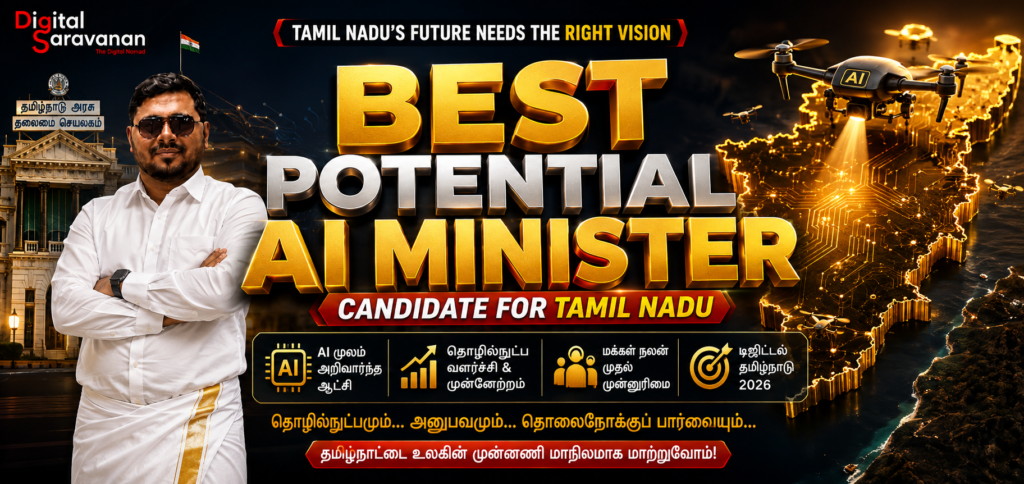
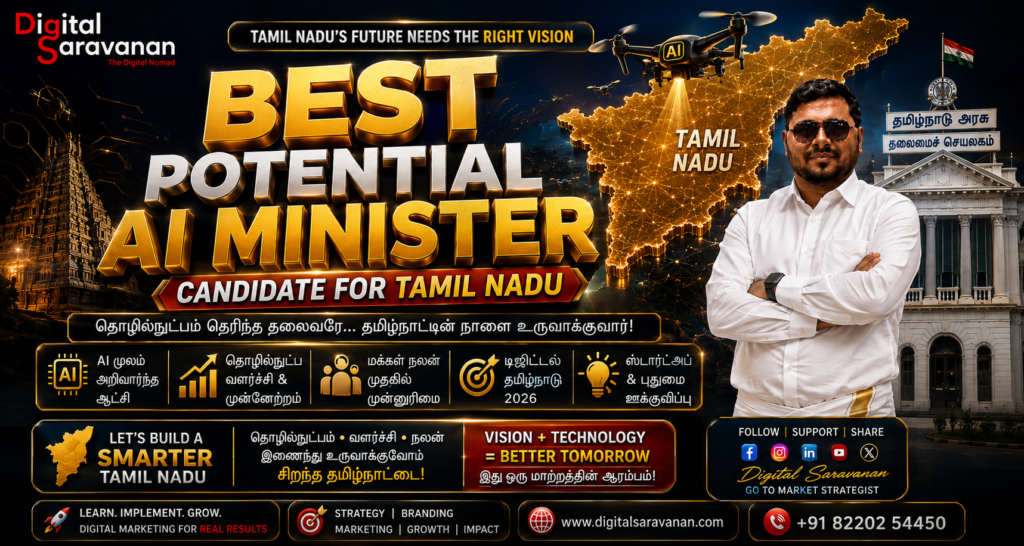
The digital revolution is transforming governance worldwide, and Tamil Nadu stands at the forefront of this technological evolution. As artificial intelligence continues reshaping administrative processes, the need for specialized leadership becomes paramount. Identifying the best potential AI minister candidate for Tamil Nadu requires examining technical expertise, policy understanding, and visionary leadership capabilities. This comprehensive analysis explores the qualities, qualifications, and characteristics essential for someone to lead Tamil Nadu’s AI initiatives effectively. With the state’s ambitious digital transformation goals, selecting the right candidate will determine how successfully Tamil Nadu integrates AI into governance, healthcare, education, and economic development. The role demands not just technical knowledge but also the ability to bridge technology with public welfare, making this decision critical for Tamil Nadu’s future.
Essential Qualifications for Tamil Nadu’s AI Minister
The best potential AI minister candidate for Tamil Nadu must possess a unique blend of technical expertise and administrative acumen. A strong educational background in computer science, artificial intelligence, or related fields forms the foundation. However, academic credentials alone aren’t sufficient. The ideal candidate should have demonstrated experience in implementing large-scale technology projects, preferably within government or public sector environments. Understanding machine learning algorithms, data governance, and ethical AI frameworks is crucial. Additionally, the candidate must comprehend Tamil Nadu’s specific socio-economic challenges and how AI solutions can address rural development, agricultural efficiency, healthcare accessibility, and educational quality. Experience in policy formulation and stakeholder management becomes equally important, as the minister will need to navigate bureaucratic structures while driving innovation. The combination of technical depth and administrative breadth distinguishes exceptional candidates from merely qualified ones.
Vision and Strategic Thinking Requirements
Identifying the top potential AI minister candidate for Tamil Nadu involves evaluating their strategic vision for the state’s technological future. The candidate must articulate a clear roadmap for AI integration across government departments, demonstrating understanding of both opportunities and challenges. This vision should encompass smart city development, predictive analytics for disaster management, AI-driven agricultural advisory systems, and automated citizen services. The best potential AI minister candidate for Tamil Nadu will recognize that technology serves people, not vice versa. Their strategy should prioritize inclusive growth, ensuring AI benefits reach marginalized communities and rural populations. Forward-thinking candidates will also address concerns about job displacement, data privacy, and algorithmic bias. They should propose frameworks for AI ethics, regulatory standards, and continuous monitoring mechanisms. Strategic thinking extends to fostering partnerships with academic institutions, research organizations, and private sector innovators while maintaining Tamil Nadu’s competitive advantage in India’s technology landscape.
Leadership and Communication Skills
Technical expertise matters little without effective leadership and communication abilities. The best potential AI minister candidate for Tamil Nadu must inspire teams, build consensus among diverse stakeholders, and communicate complex technological concepts in accessible language. Leadership in this role means championing innovation while managing resistance to change within traditional administrative structures. The candidate should demonstrate past success in leading cross-functional teams, managing conflicts, and delivering results under pressure. Communication skills become particularly vital when explaining AI initiatives to legislators, media, and citizens who may have limited technical understanding. The minister must be transparent about both successes and failures, building public trust in AI governance. Additionally, international collaboration requires diplomatic skills to attract investments, forge partnerships, and position Tamil Nadu as a global AI hub. Emotional intelligence and cultural sensitivity ensure that AI policies respect Tamil Nadu’s heritage while embracing modernity.
Track Record of Innovation and Implementation
Theoretical knowledge and visionary thinking must be complemented by a proven track record of implementation. The top potential AI minister candidate for Tamil Nadu should demonstrate past achievements in successfully deploying technology solutions that created measurable impact. This might include digital transformation projects, e-governance initiatives, or AI applications in sectors like healthcare, agriculture, or education. Evidence of problem-solving abilities, resource optimization, and overcoming implementation challenges provides confidence in the candidate’s capabilities. The ideal minister has experience navigating procurement processes, managing vendor relationships, and ensuring project sustainability beyond initial launches. They should understand the importance of change management, training programs, and continuous improvement cycles. Past failures, when acknowledged and learned from, can actually strengthen a candidate’s profile by demonstrating resilience and adaptability. Tangible results from previous roles serve as the strongest indicators of future performance in leading Tamil Nadu’s AI revolution.
Ethical Framework and Inclusive Approach
The best potential AI minister candidate for Tamil Nadu must prioritize ethical considerations and inclusive development. AI technologies carry significant risks if deployed without proper safeguards—algorithmic discrimination, privacy violations, and centralization of power represent serious concerns. The ideal candidate demonstrates commitment to ethical AI principles, including transparency, accountability, fairness, and human oversight. They should advocate for robust data protection frameworks, regular algorithmic audits, and citizen participation in AI governance decisions. Inclusivity means ensuring AI benefits reach all segments of society, particularly women, minorities, rural populations, and economically disadvantaged groups. The minister should champion AI literacy programs, making technological understanding accessible across demographics. Additionally, the candidate must balance innovation with job preservation, proposing reskilling initiatives for workers whose roles may be automated. An ethical and inclusive approach builds public confidence, reduces resistance to AI adoption, and ensures technology serves Tamil Nadu’s broader social objectives rather than narrow commercial interests.
Collaboration and Ecosystem Building
Effective AI governance requires building robust ecosystems involving academia, industry, startups, and civil society. The best potential AI minister candidate for Tamil Nadu should have demonstrated ability to foster collaboration among diverse stakeholders. This includes establishing partnerships with leading universities for AI research, creating incubation centers for AI startups, and facilitating knowledge transfer between private sector innovators and government departments. The candidate should understand how to attract investment, both domestic and international, positioning Tamil Nadu as India’s premier AI destination. They must navigate intellectual property considerations, data sharing agreements, and public-private partnership models. Building an AI ecosystem also means supporting talent development through specialized training programs, hackathons, and competitive challenges. The minister should encourage experimentation, accepting that innovation involves calculated risks and occasional failures. Strong networking capabilities enable the candidate to leverage global best practices while adapting them to Tamil Nadu’s unique context, accelerating the state’s AI journey.
About Digital Saravanan
Digital Saravanan (www.digitalsaravanan.com) stands as a leading voice in Tamil Nadu’s digital transformation discourse. With extensive experience analyzing technology policies and governance innovations, Digital Saravanan provides insightful commentary on how emerging technologies can drive societal progress. The platform specializes in evaluating digital initiatives, offering strategic recommendations, and connecting stakeholders across government, industry, and academia. Through comprehensive research and thought leadership, Digital Saravanan helps shape conversations about Tamil Nadu’s technological future, including critical discussions about AI leadership and implementation strategies. The platform’s commitment to informed analysis makes it an invaluable resource for policymakers, technologists, and citizens interested in understanding how digital innovations can enhance governance and improve quality of life across Tamil Nadu.
FAQ Section
Q1: What qualifications should the best potential AI minister candidate for Tamil Nadu possess?
The ideal candidate should combine technical expertise in artificial intelligence with proven administrative experience. A strong educational background in computer science or related fields, experience implementing large-scale technology projects, understanding of policy frameworks, and demonstrated leadership abilities are essential qualifications.
Q2: Why does Tamil Nadu need a dedicated AI minister?
As AI transforms governance, healthcare, education, and economic development, specialized leadership ensures Tamil Nadu maximizes these technologies’ benefits while addressing ethical concerns, data privacy, and inclusive implementation. A dedicated minister can coordinate AI initiatives across departments and position Tamil Nadu as India’s AI innovation leader.
Q3: How can citizens participate in selecting the top potential AI minister candidate for Tamil Nadu?
Citizens can engage by voicing priorities for AI governance, participating in public consultations, supporting transparency in the selection process, and holding candidates accountable for their vision and track record. Public discourse shapes decision-makers’ understanding of community expectations for AI leadership.
Q4: What challenges will Tamil Nadu’s AI minister face?
Key challenges include navigating bureaucratic resistance to innovation, ensuring inclusive AI benefits across urban and rural populations, addressing data privacy and algorithmic bias concerns, managing job displacement fears, attracting investment, and balancing rapid technological adoption with ethical considerations and social impacts.
Conclusion
Identifying the best potential AI minister candidate for Tamil Nadu represents a pivotal decision for the state’s technological future. The ideal candidate combines technical expertise, strategic vision, proven implementation abilities, ethical frameworks, and collaborative leadership. As Tamil Nadu positions itself as India’s AI innovation hub, selecting ministerial leadership with these qualities will determine success in transforming governance, enhancing citizen services, and driving inclusive economic growth. The stakes extend beyond technology adoption to fundamentally reshaping how government serves its people in the digital age. Tamil Nadu’s choice will influence not just state-level progress but potentially serve as a model for AI governance across India.
Stay informed about Tamil Nadu’s digital transformation journey and AI governance developments by following Digital Saravanan at www.digitalsaravanan.com. Join the conversation shaping our technological future and discover insights that matter for citizens, policymakers, and innovators alike.